Time tracking for biotech R&D tax credits and grant compliance

Biotech R&D labor is your largest expense—and your biggest tax credit opportunity. ClickTime documents every eligible hour so you can claim with confidence.

Get a demo

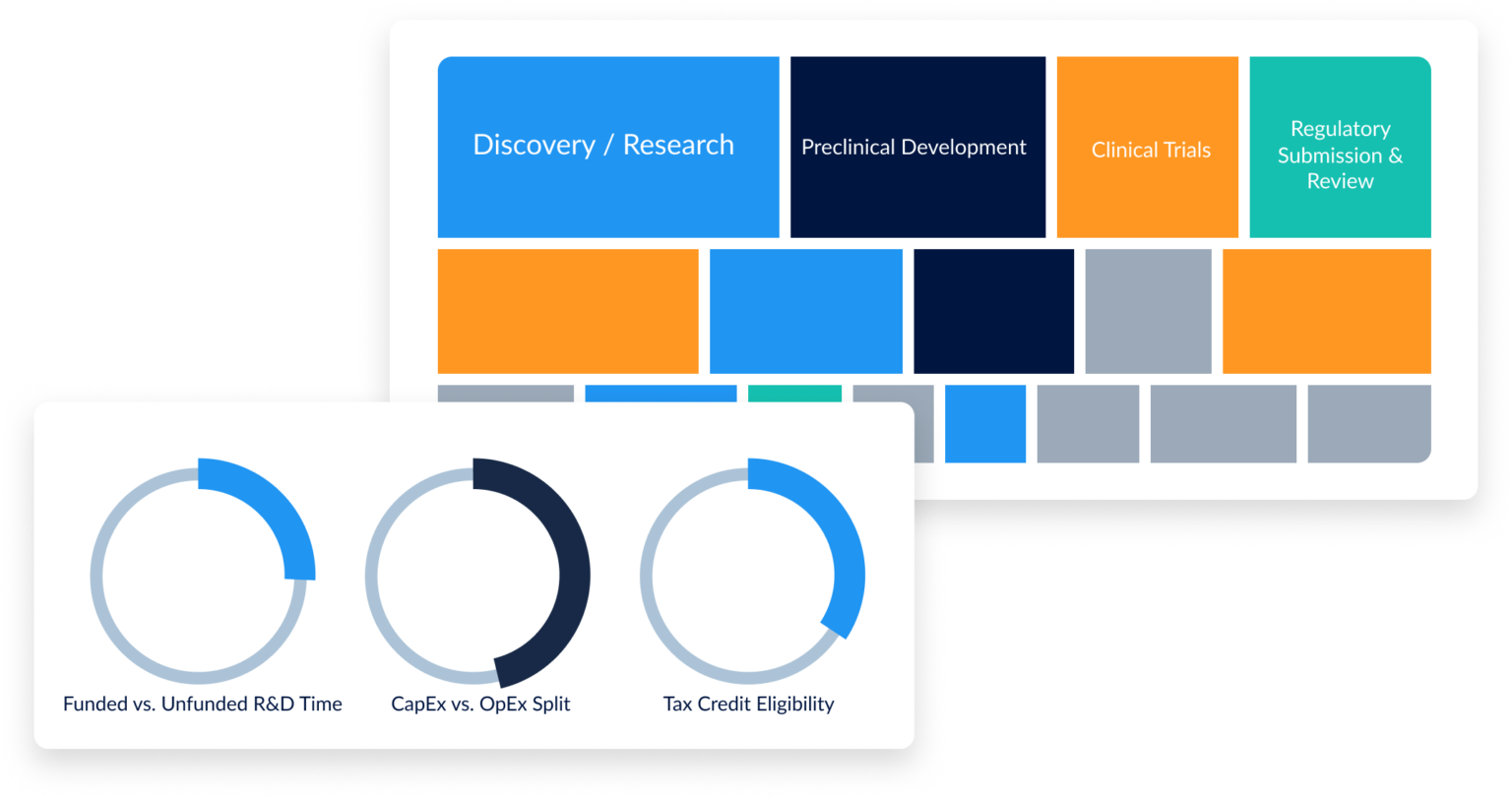
Audit-ready R&D documentation

Built-in approval workflows and audit trails that satisfy IRS, NIH, SBIR, and NSF requirements

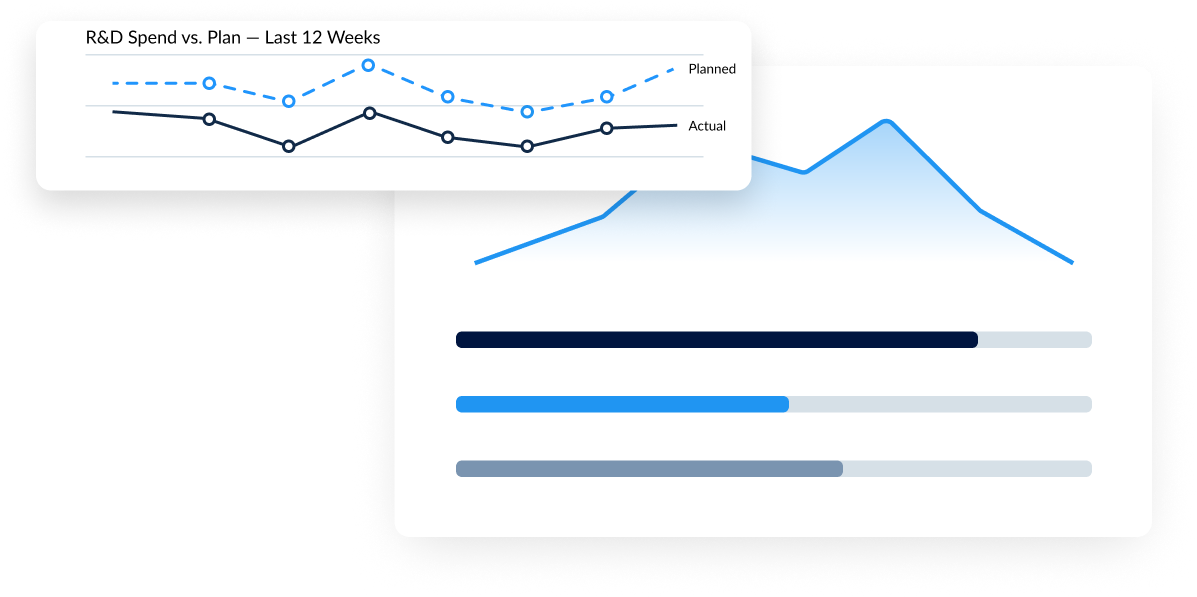
Project-level labor cost visibility

Every hour tied to the right grant, trial, or development phase at the moment of entry

CapEx and OpEx labor allocation

Map R&D labor to capitalization schedules and tax credit claims with verified data

“We've been using ClickTime for several years to track hours across all studies, whether they qualify for tax credits or not. It serves both as a resource management tool and a critical component of our tax credit reporting process.”
R&D Group Leader, Top 10 Biotech Corporation

Stop losing R&D tax credits to poor documentation

  • Capture eligible wages at the project level—researchers log hours against specific R&D activities, so every qualified research expense is documented for §41 credit claims
  • Defend every credit claim with audit-ready records—approval workflows, timestamps, and audit trails replace the spreadsheets and retroactive estimates that trigger IRS scrutiny
  • Separate qualified research from non-eligible work—finance defines the cost categories upfront, so R&D labor tracking happens at the point of entry, not months later during tax preparation
Allocate biotech labor costs across grants, trials, and departments

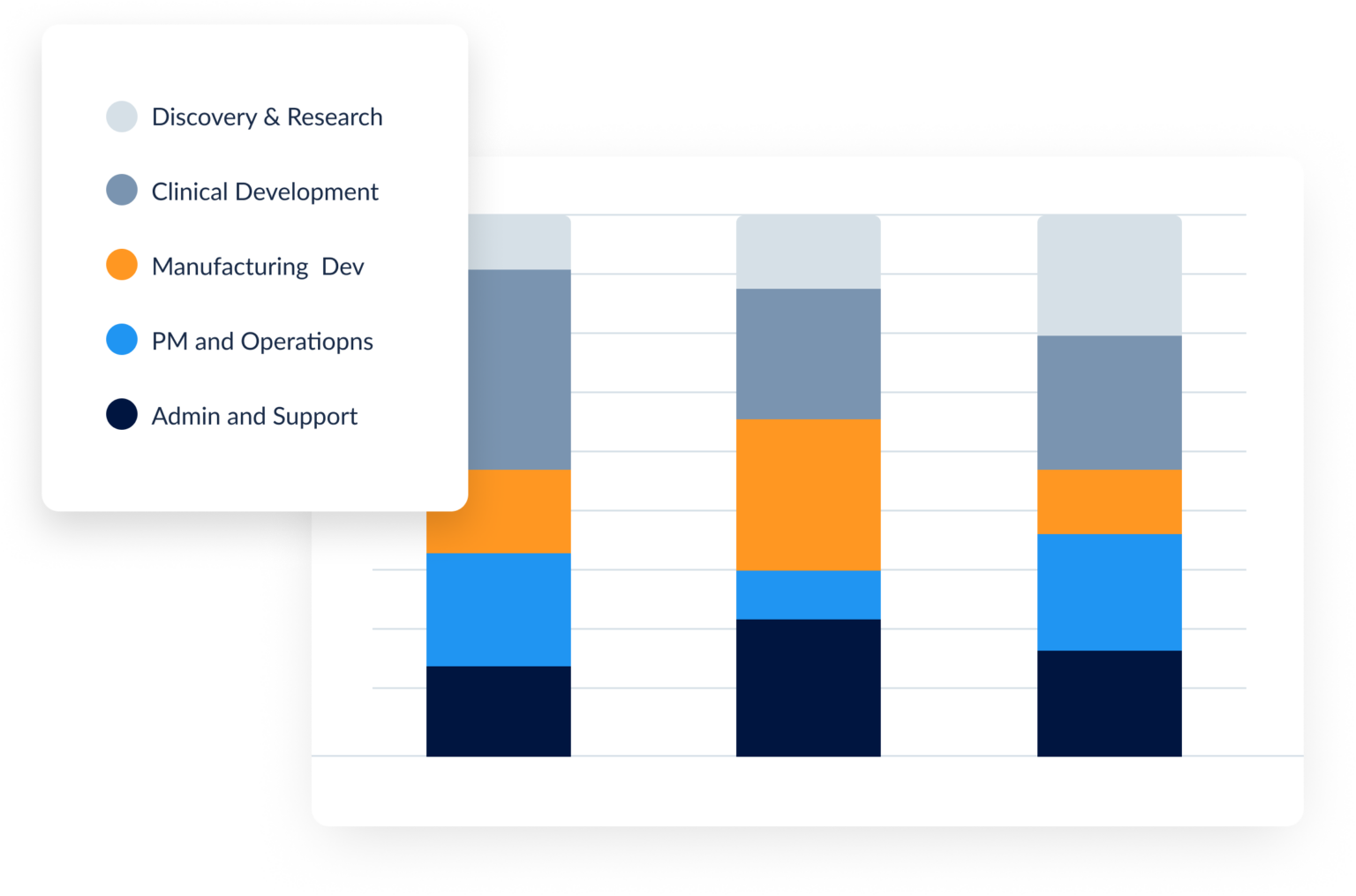
  • Map hours to CapEx and OpEx categories—support amortization schedules under Section 174 and capitalize eligible development labor with verified time records
  • Track labor across multiple funding sources—researchers working on overlapping NIH grants, SBIR awards, and internal projects log time once, allocated correctly
  • Give finance and R&D leaders one shared viewreal-time reporting replaces quarterly reconciliation battles between scientific teams and the finance office

Pass grant audits and regulatory reviews without scrambling

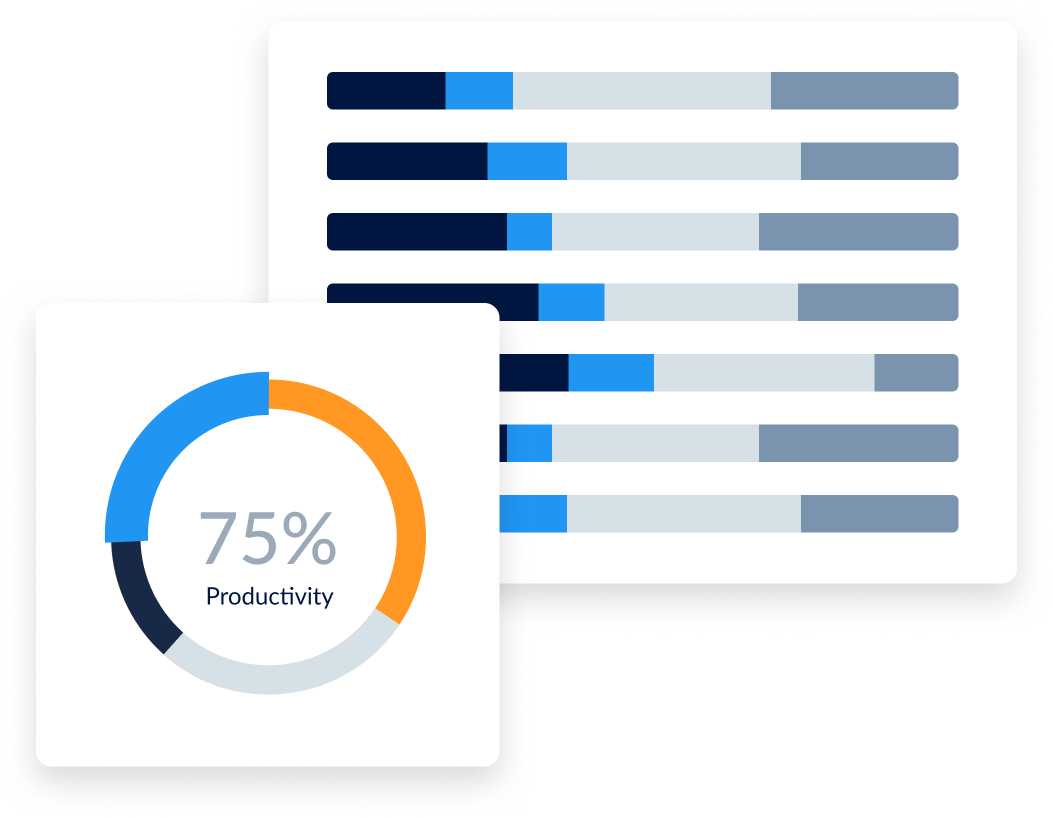
  • Generate clean audit trails for NIH, SBIR, NSF, and private funding—every hour has an approval record, an audit log, and precise attribution to the funded activity
  • Reduce compliance risk in highly regulated environments—23% of organizations have faced audit failures from poor labor cost records; ClickTime's structured data eliminates the gaps auditors flag
  • Replace spreadsheets and siloed systems—31.8% of finance teams still rely on spreadsheets for complex labor cost tracking, creating the inconsistencies that put biotech companies at risk during reviews
Integrations

Purpose-built for labor cost data, not pieced together

View all integrations

Every entry includes approval workflows, complete change history, and instant reporting. Whether it's R&D tax credits, client billing disputes, or grant compliance, you have defensible records without scrambling through spreadsheets or Jira logs.

Smart Match
Smart Match
Smart Match
Smart Match
Smart Match
Smart Match

Solution FAQs

What documentation is required to support biotech R&D tax credit claims?

To claim the federal R&D tax credit under IRC §41, biotech companies must document qualified research expenses (QREs)—including wages for employees performing qualified research activities. The IRS requires contemporaneous records showing who performed the work, how many hours were spent, and which activities involved a process of experimentation to resolve technical uncertainty. ClickTime captures this data at the point of time entry, creating audit-ready R&D labor records that support credit claims without retroactive reconstruction.

How does time tracking help biotech companies with grant compliance?

Federal grants from NIH, NSF, and SBIR programs require precise documentation of how funded labor hours were spent. When researchers work across multiple grants and internal projects, tracking time at the project level ensures each funding source is charged accurately. ClickTime's approval workflows and audit trails provide the defensible records grant auditors expect—replacing the spreadsheets and estimates that put funding at risk.

Which biotech R&D activities qualify for the §41 research credit?

Qualified research activities under §41 must meet a four-part test: the work must be technological in nature, intended to develop a new or improved business component, involve a process of experimentation, and address technical uncertainty. For biotech companies, this commonly includes drug discovery, clinical trial design, assay development, process optimization, and formulation work. The key challenge is documenting which hours were spent on qualifying vs. non-qualifying activities—something project-level time tracking solves at the point of entry.

How can biotech companies maximize their R&D tax credit claims?

The biggest barrier to maximizing R&D credits isn't eligibility—it's documentation. Nearly 25% of organizations have lost R&D tax credits due to inadequate records. Biotech companies can recover more by capturing labor hours against specific research activities in real time, rather than relying on end-of-year estimates from department heads. ClickTime ties each hour to pre-defined cost categories so finance teams can identify every eligible wage dollar and defend claims with verified data.

Stop losing visibility into your largest expense

Book a demo
Ask a question

Transform your operations today

ClickTime is the leading time and financial tracking solution for CROs, helping research teams cut admin time, optimize budgets, and ensure compliance with funding requirements.

Book a demo
Ask a question